
What is an energy storage system?

Updated: Feb 12, 2025
Our reliance on electricity is growing, and so is our understanding of the need for clean and reliable energy sources. But what happens when the sun isn't shining or the wind isn't blowing? That's where energy storage comes in. This post will delve into the world of energy storage, exploring its purpose, benefits, and future potential.
What is Energy Storage?
Energy storage refers to the process of capturing energy produced at one time for use at a later time. Think of it like a battery for the grid, or even for your home. It allows us to balance energy supply and demand, making our energy systems more efficient and resilient. This can be achieved through various methods, including:
Batteries: Lithium-ion, flow batteries, and other chemistries store energy electrochemically.
Pumped Hydro Storage: Water is pumped uphill to a reservoir and released to generate electricity when needed.
Thermal Storage: Heat or cold is stored in materials like water, ice, or molten salt.
Compressed Air Energy Storage (CAES): Air is compressed and stored, then released to drive a turbine.
Hydrogen Storage: Electricity is used to produce hydrogen, which can be stored and used as fuel.
Key Components of an Energy Storage System:
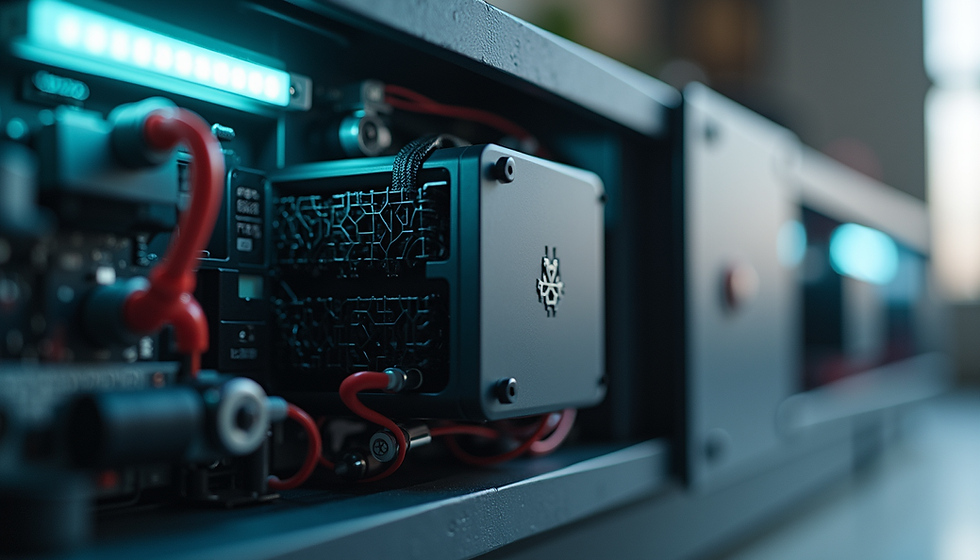
A typical energy storage system consists of several key components:
Energy Storage Device: The battery, pumped hydro reservoir, or other technology used to store energy.
Power Conversion System (PCS): Converts electricity between AC and DC, and controls the flow of energy to and from the storage device.
Control System: Monitors and controls the operation of the storage system, optimizing its performance and ensuring safety.
Monitoring System: Tracks the performance of the system and provides data for analysis and optimization.
Safety Systems: Protect the system and personnel from potential hazards.
Why is Energy Storage Needed?
The need for energy storage is driven by several factors:
Intermittency of Renewables: Solar and wind power are dependent on weather conditions. Storage allows us to use these clean energy sources even when they aren't producing electricity.
Grid Stability: Fluctuations in energy supply and demand can cause grid instability. Storage helps to smooth out these fluctuations and maintain a stable power supply.
Peak Demand Management: Electricity demand often peaks at certain times of the day. Storage can help meet these peaks without the need for expensive "peaker" power plants.
Resilience: Energy storage can provide backup power during outages, improving the resilience of our energy systems.
Electrification of Everything: As we move towards electrifying transportation and heating, the demand for electricity will increase, making storage even more critical.
Who Can Use Energy Storage?
The applications of energy storage are vast and varied:
Utilities: Large-scale storage systems help utilities manage the grid and integrate renewable energy sources.
Businesses: Companies can use storage to reduce energy costs, improve power quality, and provide backup power.
Homeowners: Residential battery systems can provide backup power, reduce electricity bills, and enable participation in grid services.
Transportation: Electric vehicles (EVs) are a form of energy storage, and vehicle-to-grid (V2G) technology can even allow EVs to contribute to grid stability.
The Importance of Energy Storage
Energy storage is crucial for a sustainable energy future. It enables the widespread adoption of renewable energy, improves grid reliability, and empowers consumers. It's a key component in the transition to a cleaner, more resilient, and affordable energy system.
Future Adoption of Energy Storage
The future of energy storage is bright. Driven by decreasing costs, technological advancements, and increasing policy support, the market is expected to grow exponentially in the coming years. We'll likely see widespread adoption of both utility-scale and distributed storage systems, transforming the way we generate, distribute, and consume electricity.
Energy storage is not just a futuristic concept; it's a critical technology that's being deployed today. As we move towards a cleaner and more sustainable energy future, energy storage will play a central role in powering our world. By understanding its importance and potential, we can accelerate its adoption and unlock the full benefits of renewable energy.


Comments